
Three Quarters of Them Said They Wanted to Stay.
What happened to Rosie the Riveter after the war is usually told as a homecoming. The government’s own 1944 survey found three quarters of women war workers wanted to keep their jobs.
What happened to Rosie the Riveter after the war is usually told as a homecoming. The government’s own 1944 survey found three quarters of women war workers wanted to keep their jobs.
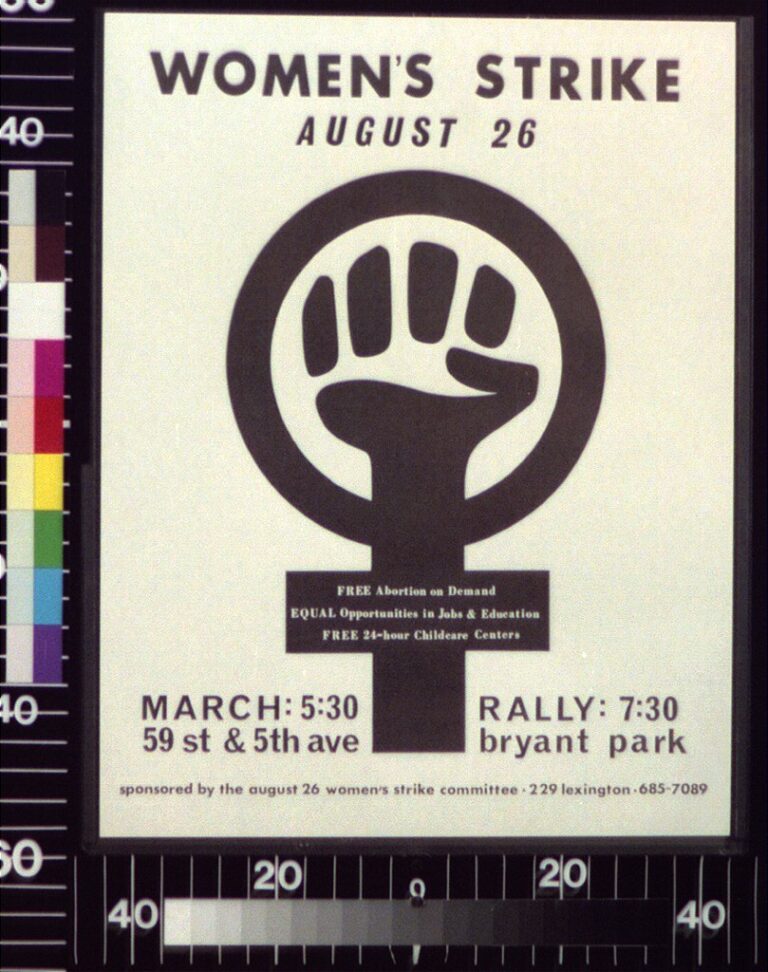
Judy Brady read it aloud at a rally in 1970 and printed it in Ms. in 1971. It is a list, not an argument, and that is why it works. Fanny Fern was using the same tool in 1855, and a French cartoonist used it again in 2017.
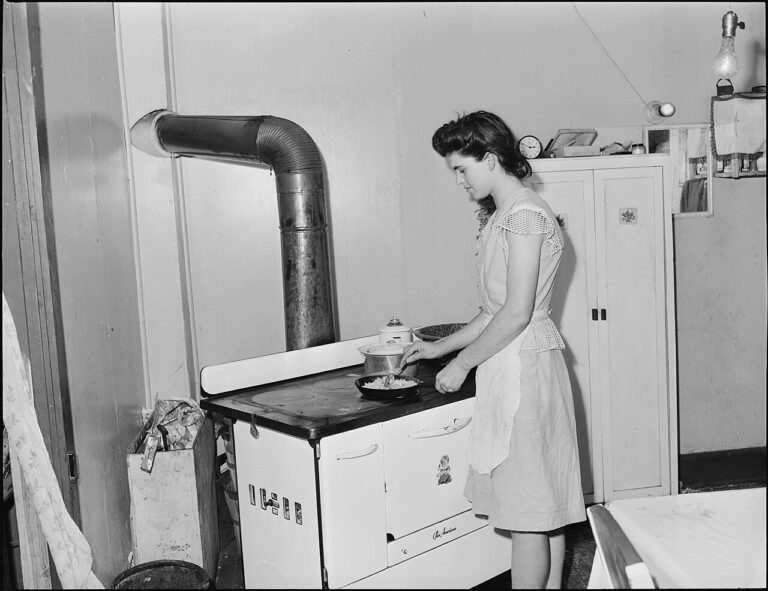
Time diary studies put a mid-century American homemaker at just over fifty hours a week. The Bureau of Economic Analysis later priced that work at 39 percent of 1965 GDP. Britannica supplies the missing piece: who wrote the standard, and when.

Why am I so hungry at night is usually answered as a discipline question. The trials answer it as an arithmetic one: short sleep adds calories to the following day and adds nothing to what you spend.
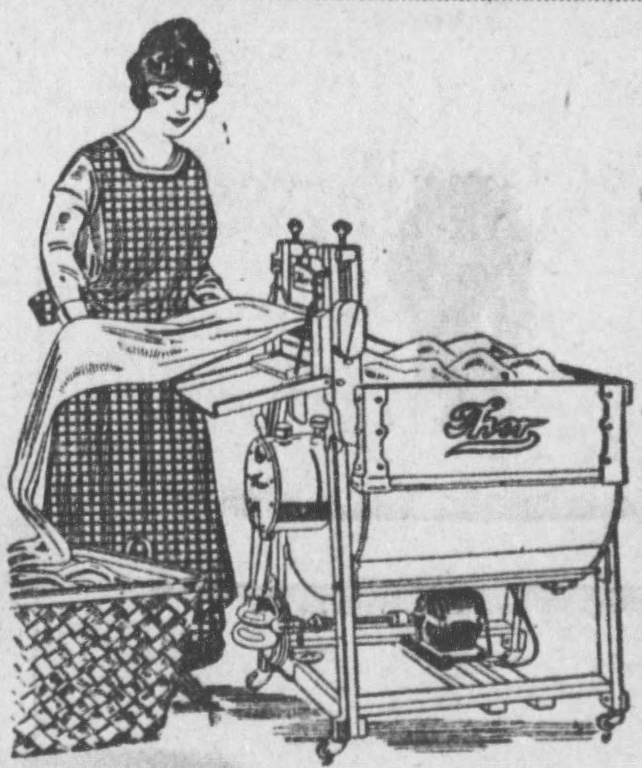
Why don’t women have more free time now the machines arrived? We read Britannica on three centuries of housework. The answer is better news than expected.

Bone loss in menopause runs to a timetable almost nobody is shown. It begins about a year before the last period, moves fastest for roughly three years, and nothing about it feels like anything.

Migraines in perimenopause are usually read as a new fragility. The mechanism runs the other way: the same trigger you always had, arriving on no schedule you can plan around.

PMS getting worse in perimenopause is an experience with a partial explanation and an unfinished literature. What the research points at is change itself, rather than the level of anything.

How much protein do I need in menopause has two credible answers rather than one, and the gap between them matters. What both agree on is that the official minimum was never designed for this.

How long do hot flashes last has a real answer, and it is longer than the one in circulation. The useful part is not the average. It is what predicts which end of it you are on.